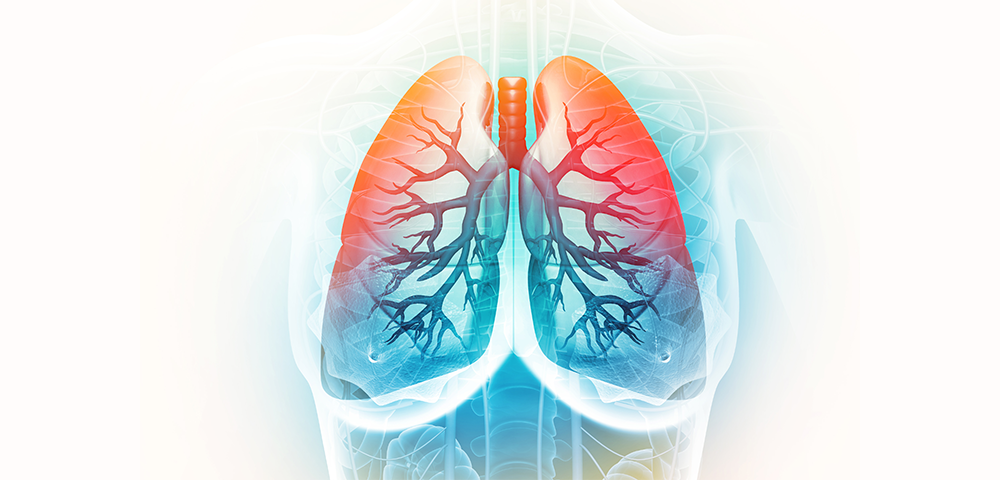

October brings crisp air, falling leaves, and a rise in seasonal respiratory illnesses. As temperatures drop and people spend more time indoors, viruses like influenza and RSV spread more easily. Following good habits now can reduce the chance of getting sick and protect your lungs through the colder months.
Risk Factors
The biggest risk factors for lung health problems are smoking and vaping, poor air quality, and chronic lung conditions. Tobacco products are the number one cause of lung cancer, and contribute to chronic obstructive pulmonary disease (COPD). Poor air quality from mold, dust, pet dander, pollutants and allergens can also irritate your lungs. People living with chronic lung conditions like asthma and COPD have more vulnerable respiratory systems, which can be more easily stressed by viral infections, pollution, and temperature changes.
Staying Healthy
If you smoke or vape, quitting is the single best thing you can do for your lungs. Even if you have smoked or vaped for years, quitting tobacco now can lead to improved health, including less coughing, fewer infections, decrease risk for lung cancer and slowing the decline of your lungs.
You can improve your indoor air quality by regularly replacing the filters for your HVAC system and keeping your home clean of dust and mold. Look for filters with a high MERV rating to better filter particles. A dehumidifier can help limit the growth of mold in your home. You should also plug any leaks in your windows or door frames to better insulate your home from outside particles. Radon is also a risk for lung cancer. Radon is an odorless gas that can seep up from the ground. It is more prevalent in certain geographical areas, so you may want to evaluate your home for radon. If you have high radon, a professional mitigation system may be necessary.
You cannot control outdoor air quality, but you can monitor it and make plans around it. Airnow.gov is the government’s official air quality index tracker. Many weather apps and local news organizations’ websites also track air pollution. On low air quality days, try to minimize time outdoors and limit strenuous activities outside.
Practice good hygiene. Frequently wash your hands with soap for a minimum of 20 seconds, cover coughs and sneezes, and clean surfaces that get touched often. These steps can limit the spread of respiratory viruses.
When to See a Doctor
A persistent cough, wheezing, shortness of breath, repeated respiratory infections, high fever, or chest tightness are reasons to speak with a doctor. The board-certified doctors and providers on the Lexington Clinic Pulmonary team offer lung screenings, respiratory allergy evaluations, and treatment of asthma, COPD, and other lung conditions.

About Ayorinde Medaiyese, MD
Dr. Ayorinde “Ayo” Medaiyese is board-certified in Internal Medicine, Critical Care and Pulmonary Medicine. Dr. Medaiyese has expertise in treating asthma, COPD, occupational lung diseases such as black lung (Department of Labor certification), lung nodules, sleep apnea and pulmonary hypertension among other pulmonary issues. Dr. Medaiyese has more than 20 years of experience in the field of medicine, with special focus on pulmonary disease.
Dr. Medaiyese can be reached at (859) 258-4568.