

February is Heart Month, a perfect time to pause and check in on your cardiovascular health. Blood pressure and cholesterol are both important numbers to know, but your heart rate is just as important. One increasingly common factor influencing heart rate is energy drink consumption. With brightly colored cans and bold claims promising focus, stamina, and alertness, energy drinks have become a daily go-to for teens, college students, busy professionals, and athletes.
But what do these drinks do to your heart?
Growing research from cardiology specialists and large-scale peer-reviewed studies show energy drinks can have measurable, significant effects on heart rate and overall cardiovascular function.
What’s Inside an Energy Drink
Energy drinks typically contain high levels of caffeine, stimulants like guarana and taurine, and often a substantial amount of sugar. While caffeine itself can be safe in moderate doses, like morning coffee, the combination and concentration found in many energy drinks can place added stress on the cardiovascular system.
A 2025 systematic review in Current Cardiology Reports found energy drinks frequently lead to increased heart rate, with 60.9% of analyzed studies showing a measurable rise following consumption.
Other ingredients, including stimulants that may not be clearly listed, can amplify these effects.
How Energy Drinks Affect Your Heart Rate
Increased Heart Rate
A Current Cardiology Reports review of 37 studies evaluating cardiovascular responses to energy drinks found heart rate increases were one of the most consistently observed effects. Even a single energy drink may cause a noticeable elevation within an hour.
Elevated Blood Pressure
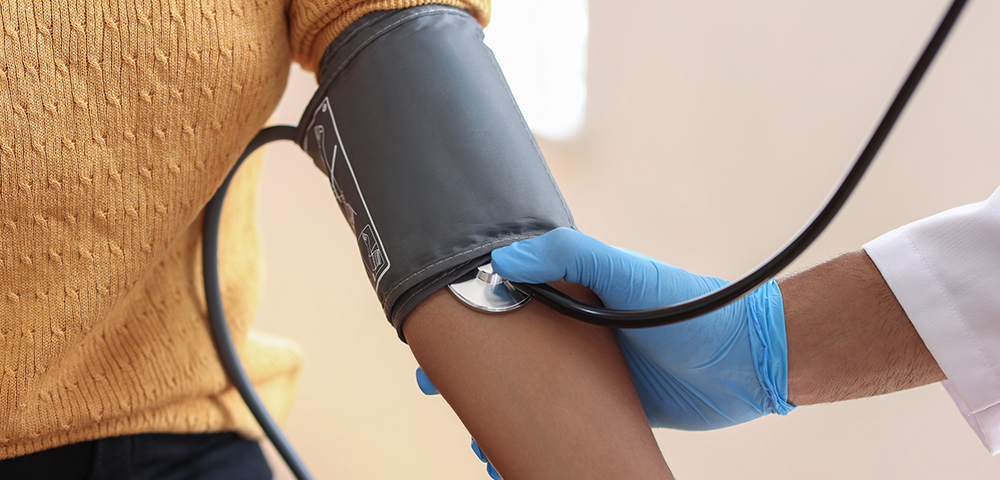
Multiple peer reviewed studies show energy drinks can raise both systolic and diastolic blood pressure. A meta-analysis in Nutrition Reviews documented increases in blood pressure across several randomized controlled trials, with systolic pressure rising significantly within 60–80 minutes of consumption.
Since heart rate and blood pressure are closely linked, elevated blood pressure can compound cardiovascular strain.
Electrical Activity Changes
An American Heart Association–highlighted study found consuming 32 ounces of energy drinks in one hour led to abnormal electrical activity in the heart (QTc prolongation) — a marker that can predispose individuals to dangerous arrhythmias (heart rhythm).
These electrical changes aren’t typically seen with caffeine alone, suggesting the combination of ingredients is responsible.
Risk of Arrhythmia
Research published in Heart Rhythm notes energy drinks may trigger life-threatening arrhythmia, or even sudden cardiac arrest, especially in individuals with underlying genetic heart conditions.
While these events are rare, the findings underscore the importance of moderation, especially for people with known or suspected heart conditions.
Who is at Risk?
Younger populations often consume energy drinks during long workdays, intense study periods, or athletic activities. A 2026 review in Beverages found adolescents and young adults are especially vulnerable due to heightened sympathetic nervous system responses and a tendency to underestimate cardiovascular risk.
In other words: the younger you are, the more likely your body is to respond strongly — and potentially harmfully — to the stimulant load.
Heart Month Reminder: Know Your Numbers
Energy drinks are widely marketed as performance enhancers or pick-me-ups, but if you drink them regularly, it’s important to monitor how they affect your cardiovascular health. Consider tracking:
- Resting heart rate
- Blood pressure: Symptoms like palpitations, jitters, chest tightness, or shortness of breath
- If you notice changes after consuming energy drinks, your heart may be telling you something.
When to Act
Talk to a cardiologist if you regularly consume energy drinks and experience:
- Rapid or irregular heartbeat
- Dizziness or episodes of near fainting
- Unusual fatigue
- New or worsening exercise intolerance
Heart Month is the perfect time to schedule a check-in and get personalized guidance.
To learn more about heart health, assessments, or treatment options, make an appointment with the experts at Lexington Clinic Cardiology. They can not only help you make informed choices, but also support ongoing heart healthy habits year-round.
Staying Heart Healthy:
Practical Tips
- Limit energy drinks to occasional use or avoid them altogether if you have underlying heart conditions.
- Check labels — hidden sources of caffeine and stimulants may not be obvious.
- Stay hydrated, especially prior to and during exercise.
- Choose alternatives, such as tea, small servings of coffee, or natural energy strategies like movement breaks and better sleep.
Final Thoughts
Energy drinks may seem harmless, or even helpful, when you need a quick boost. But evidence and multiple clinical studies show these beverages can significantly impact your heart rate and overall cardiovascular function, even in healthy individuals.
This Heart Month, take the time to learn your numbers, listen to your body, and prioritize your heart. And if you want expert guidance tailored to your health needs, our cardiology team is here to help.