
February is Heart Month — a time to refocus on what keeps us going strong every day: a healthy heart. While many people watch for warning signs like chest pain or shortness of breath, one of the most dangerous cardiovascular conditions often shows no symptoms at all.
It’s silent hypertension (high blood pressure).
Silent hypertension is simply high blood pressure developing quietly, with no outward symptoms alerting you to potential danger. Yet behind the scenes, it can cause steady, serious damage to your blood vessels, heart, kidneys, and brain. That’s why knowing your numbers — and checking them regularly — is one of the most powerful steps you can take to protect your long-term health.
What Exactly Is Silent Hypertension?
Hypertension, or high blood pressure, occurs when the force of blood pushing against artery walls remains consistently too high. Many leading cardiology organizations classify hypertension as 130/80 mm Hg or higher. Because most people with high blood pressure feel completely normal, it has earned the nickname “the silent killer.”
The American Heart Association notes high blood pressure usually has no warning signs or symptoms, and many individuals go years without realizing they have it.
Peer reviewed research reinforces this: hypertension often develops gradually and without noticeable symptoms as it silently strains the cardiovascular system.
Why Silent Hypertension Is So Dangerous
- It can cause serious organ damage without warning.
- Uncontrolled hypertension is linked to heart failure, heart attack, stroke, kidney disease, and vision loss. Even in the absence of symptoms, long term elevations in blood pressure create significant wear on arteries and organs.
- It dramatically increases your risk of cardiovascular disease.
- Hypertension is considered the most important modifiable risk factor for premature cardiovascular disease worldwide, contributing to most strokes.
- Many people don’t discover it until after a major health event.
- Patients often learn they have high blood pressure only after experiencing a crisis such as a heart attack or stroke — underscoring the need for regular screening and monitoring.
Are There Any Warning Signs?
Most of the time, silent hypertension really is silent. But in rare cases, some individuals may experience the following on occasion and attribute it to something else (ex. getting up too fast, too much caffeine, etc.):
- A pounding feeling in the head or chest
- Lightheadedness or dizziness
- Still, these symptoms are not reliable indicators, and most people exhibit no signs at all. Only blood pressure measurement can confirm hypertension.
Who Is Higher Risk?
Certain factors make silent hypertension more likely:
- Family history of high blood pressure
- Aging
- Obesity
- Sedentary lifestyle
- High-salt diet and processed foods
- Smoking or excessive alcohol intake
- Chronic stress
These risk factors are well established in cardiovascular research and highlighted in peer-reviewed hypertension literature.
Why Heart Month Is the Perfect Time to Know Your Numbers
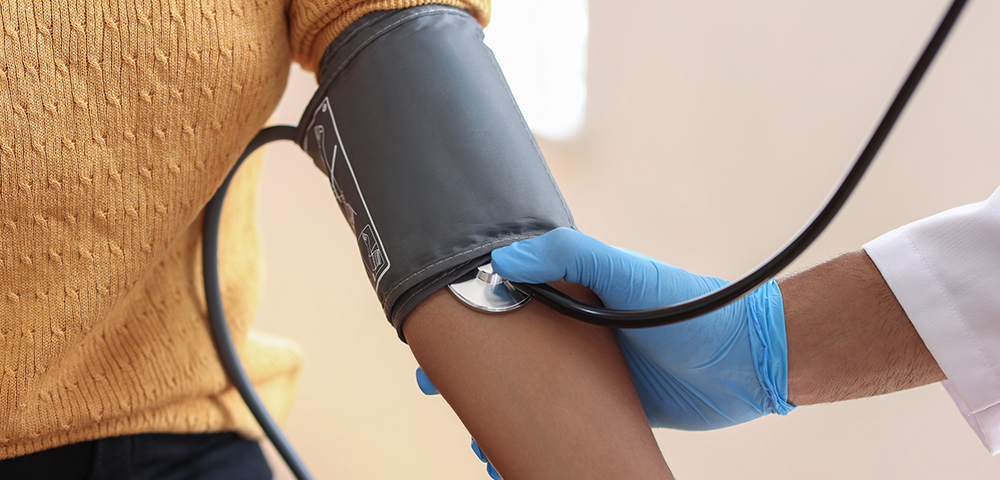
Knowledge is power. Regular blood pressure checks — whether at home, at a pharmacy, or during doctor’s office visits — are the only way to detect silent hypertension early.
Clinical guidelines for stress blood pressure should be measured using two or more readings on separate occasions, providing the most accurate assessment.