
About one in eight women will face a breast cancer diagnosis at some point in their lives. While breast cancer is typically thought of as a condition affecting women, about one in 700 men will also be diagnosed with it. While those numbers are scary, the good news is that when the cancer is caught in the early stage, the five-year relative survival rate is nearly 100%. Here’s a look at the most common early warning signs of breast cancer, and what you can do to reduce your likelihood of developing it.
Warning Signs
You should speak with your doctor if you notice any of these developments:
- A new lump in the breast or armpit
- Change in breast shape or size
- Change in shape or appearance of nipple, including turning inwards (inversion)
- Nipple discharge of any non-milk fluid, including blood
- Persistent pain in the nipple area or any part of the breast
- Flaky or red skin like a rash in the nipple or breast
- Skin irritation or dimpling
- Skin redness, swelling, or warmth
These symptoms apply for female and male breast cancers. It’s important to remember most lumps in the breast are caused by a medical condition other than cancer. The lumps may be cysts. An examination by your doctor will help determine the nature of the lump.
Preventative Action
You have the power to reduce your risk of developing cancer in the future through the decisions you make today. Start by quitting tobacco products. They are responsible for multiple forms of cancer, and quitting reduces your overall cancer risk. No amount of tobacco is a “safe” amount.
Limit or entirely cease alcohol consumption. It’s best to avoid it entirely, as alcohol is linked to liver, breast, colorectal, head, neck, and stomach cancers. Even drinking a small amount of alcohol raises your risk of cancer.
Exercise regularly and maintain a healthy weight. Being overweight or obese is linked to a higher risk of cancer. Aim to get at least 150 minutes of moderate exercise every week, which can help regulate hormones that may lead to cancer. Exercise also boosts the immune system. Eating a balanced diet can also reduce your cancer risk, as well as improve your overall health and well-being.
I Have a Lump—Now What?
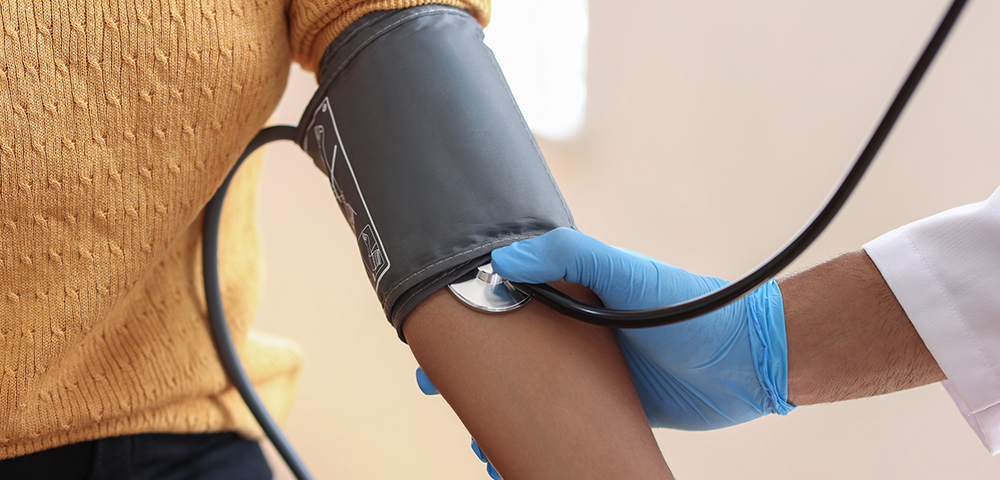
If you spot some of the symptoms, first, take a breath and relax. Most breast abnormalities are benign. But you need to get an appointment with your doctor. Your doctor will ask you about your symptoms, such as when you noticed them, any other changes, and if you have a family history of cancer. Your doctor will perform a clinical breast exam, feeling for any lumps within the breast or under the arm. This will determine the next step.
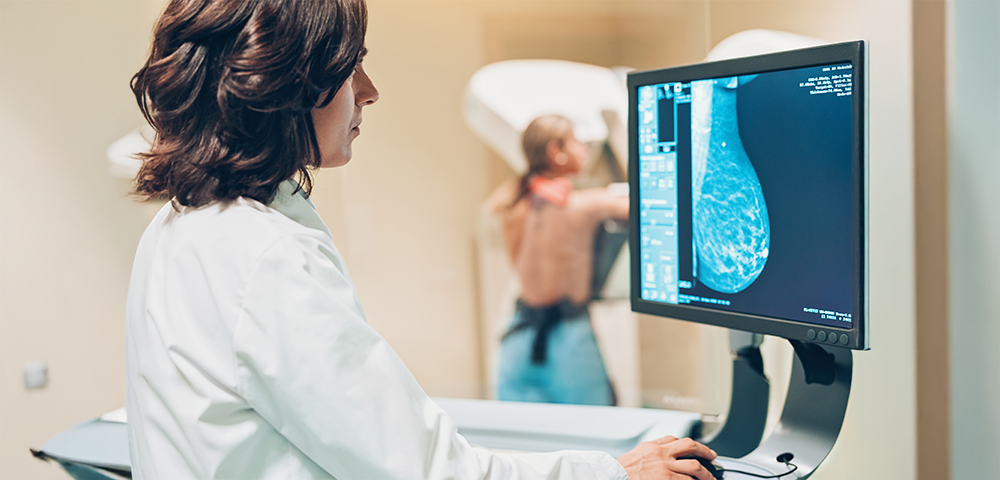
If your doctor thinks a closer look is needed, you might get sent for imaging such as a mammogram. A mammogram is an X-ray focused on the breast area. You may also receive a breast ultrasound or an MRI. The images from these tests will reveal whether the area looks solid, fluid-filled (a cyst) or normal.
Depending on the results, your doctor may order a biopsy of the area. A biopsy is the only way to confirm or rule out cancer. This involves using a needle to collect a small sample of tissue for further examination. If it turns out you do have cancer, a multidisciplinary team of doctors including oncologists, surgeons, radiologists, and pathologists will review your case and help you determine your best treatment options.
The Center for Breast Care at Lexington Clinic offers compassionate support for breast cancer patients. The all-woman team of board-certified doctors creates customized treatment plans for each patient, ensuring everyone receives the highest quality of care. Click here for more information and to schedule an appointment.

About KaraBeth Moore, MD, FACS
Dr. Moore is board-certified in general surgery and a fellow of the American College of Surgeons. She specializes in breast surgery for malignant and benign breast disease. Dr. Moore is the first program director of the Center for Breast Care and developed a comprehensive breast cancer program that includes high risk, survivorship and lymphedema programs. Dr. Moore performs nipple sparing mastectomy, skin sparing mastectomy, and partial mastectomies with oncoplastic techniques.
Dr. Moore can be reached at (859) 258-4942.